Before commitment
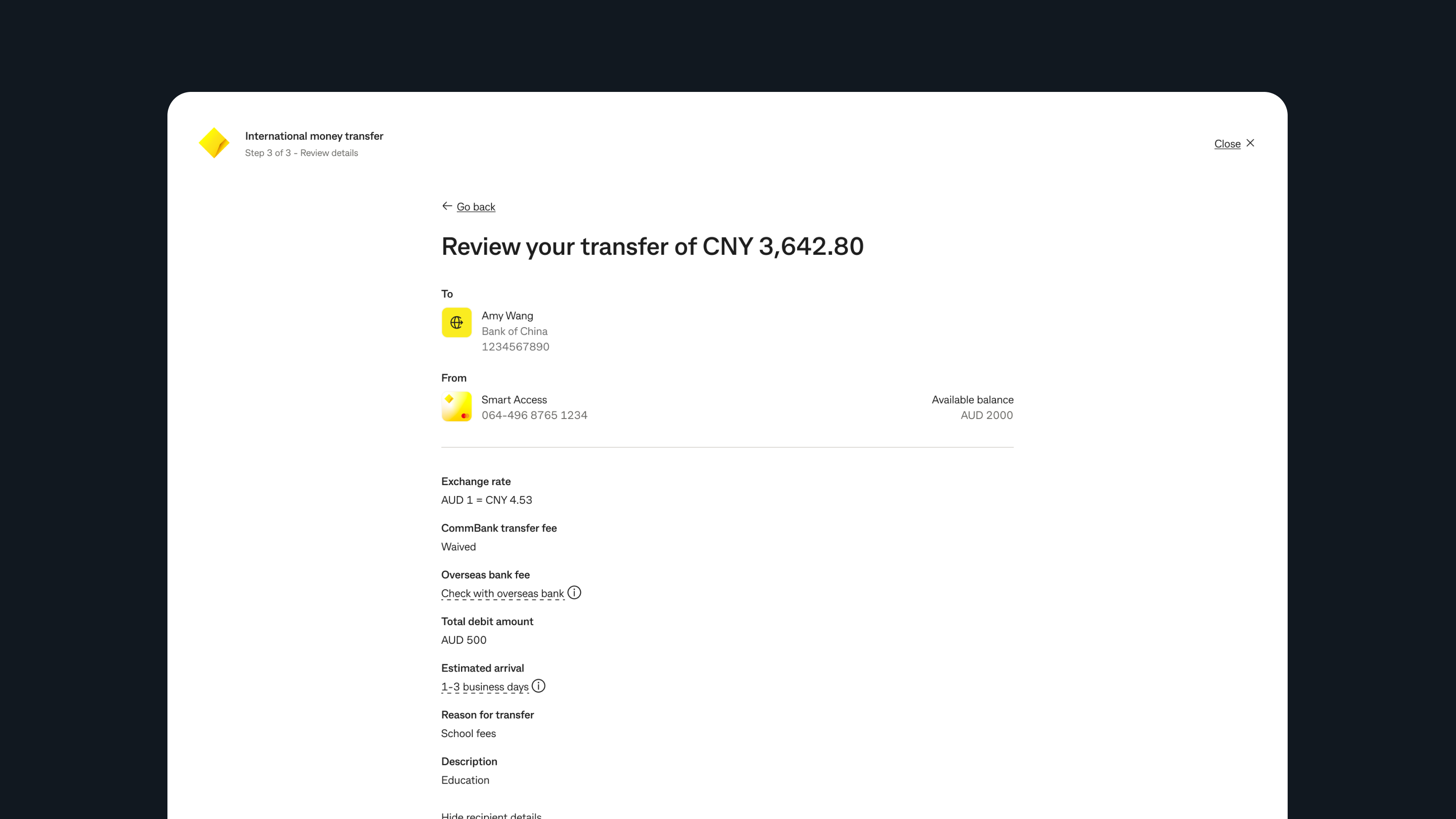
Pricing, timing, and prerequisites show up too late, which makes people feel tricked rather than informed.
Payments
Teams often talk about trust like it is a brand outcome or a marketing halo. In high-stakes products, it is neither. Trust is a product behavior created by clarity, sequencing, feedback, and recovery.
Problem
In financial products, trust often gets framed too broadly. Teams say they want customers to trust the bank, trust the platform, or trust the feature. That is directionally true, but it is not operationally useful. Designers need something more precise.
When people say they trust a product, what they usually mean is simpler: they understood what was happening, they knew what would happen next, and the product behaved consistently when they needed reassurance.
Pattern
Pricing, timing, and prerequisites show up too late, which makes people feel tricked rather than informed.
Redirects, unexplained state changes, or weak context shifts make people wonder whether the system is still in control.
Silence creates doubt. A product that says nothing after a high-stakes action teaches users to worry.
Design
Trust is built through product behavior: upfront disclosure, legible status, clear language, and recovery paths that are easy to understand. In practice, that means designing the moments that make people pause, not just the ones they glide through.
This is why I care so much about end states, tracking, and expectation setting. The most reassuring part of a product is often not the entry screen. It is the moment after the user has done something consequential and the product proves it is still with them.
Takeaway
When a team can identify exactly where uncertainty appears in the journey, trust stops being vague and becomes actionable. That is when the product starts to feel dependable, not because the brand asked for it, but because the experience earned it.
Next note
Why information architecture is not cleanup work. It is strategic product work.
Read the next note