What it looks like
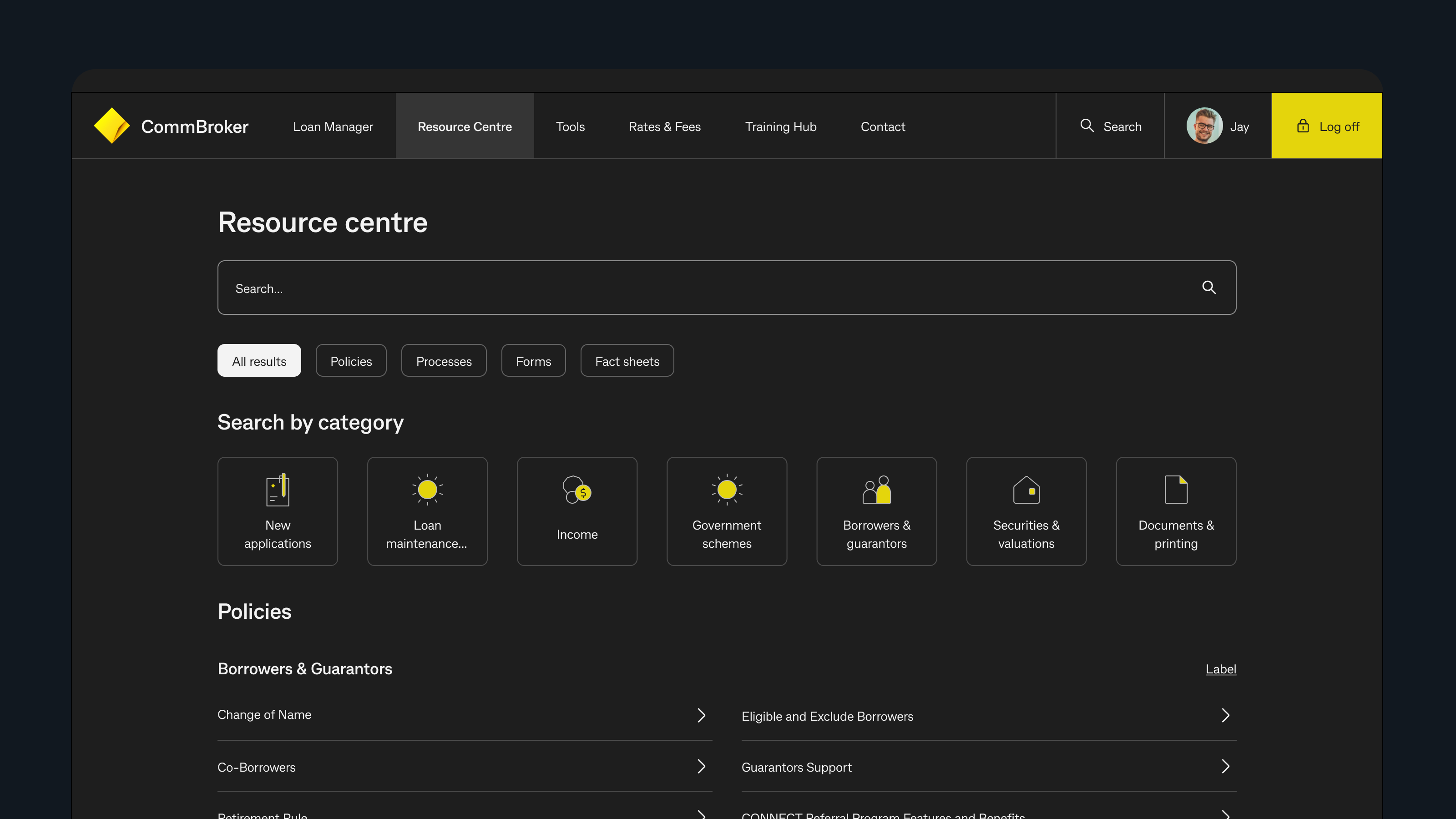
Cleaner components, nicer cards, fresher pages, but the same unclear routes and same support burden.
Platforms
Information architecture is often treated like housekeeping: something to tidy once the “real” product decisions are made. In practice, IA is one of the most strategic product levers a team has.
Why it matters
Products with weak IA force users to compensate. They bookmark. They memorize routes. They rely on colleagues. They call support. The product still technically contains the answer, but it no longer behaves like a reliable system.
That means any new capability added on top starts from a weaker foundation. Search gets noisier. New features feel bolted on. AI becomes riskier because the source content is inconsistent.
Common mistake
This is understandable. Surface changes are easier to show, easier to ship incrementally, and easier to celebrate. But if the problem is structural, better visuals only make the wrong system look more polished.
Cleaner components, nicer cards, fresher pages, but the same unclear routes and same support burden.
The actual experience is still determined by whether users can find the right thing at the right moment.
Strategic benefit
Clean structure is enabling infrastructure. It reduces support load now, but it also makes future bets more viable. Better search, better analytics, more coherent onboarding, stronger AI, and cleaner cross-team ownership all get easier when the system underneath is organised well.
That is why IA work can be some of the most senior design work on a product. It changes what the team can responsibly build next.
Takeaway
The simplest way I know to think about it is this: if the structure improves, the product gains options. If the structure stays weak, every future feature inherits the same confusion. That is why I treat IA work as foundational, not cosmetic.
Next note
Why the most important AI product choices often happen before a model response is ever written.
Read the next note